
By: Zarith Sofea Ibrahim
Photos by: Noor Azreen Awang
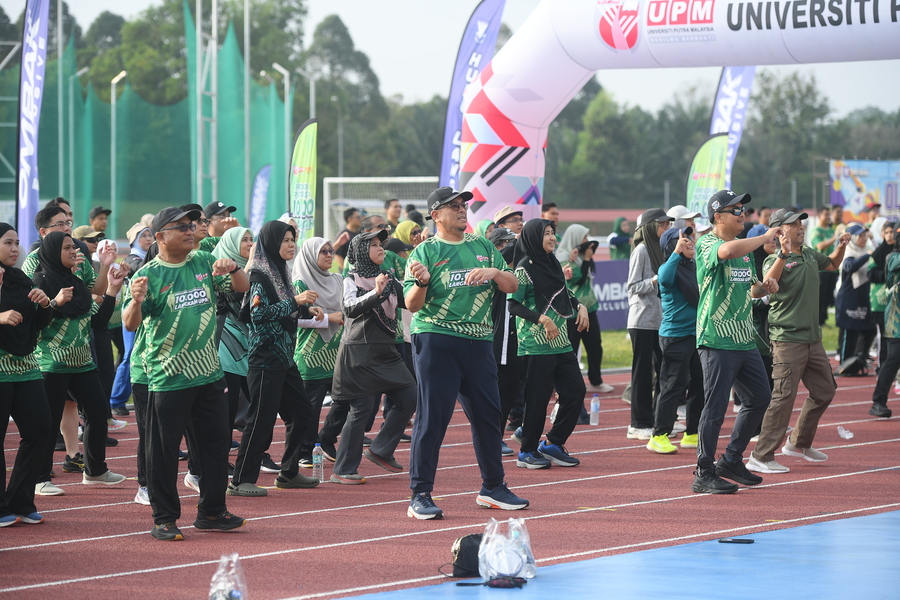
SERDANG, 1 July – Universiti Putra Malaysia (UPM) translated the aspirations of the UPM Planetary Health and Sustainability Blueprint into meaningful action through the PUTRASihat 10,000 Steps programme, combining walking and plogging to promote a healthy lifestyle while cultivating environmental responsibility among the university community.
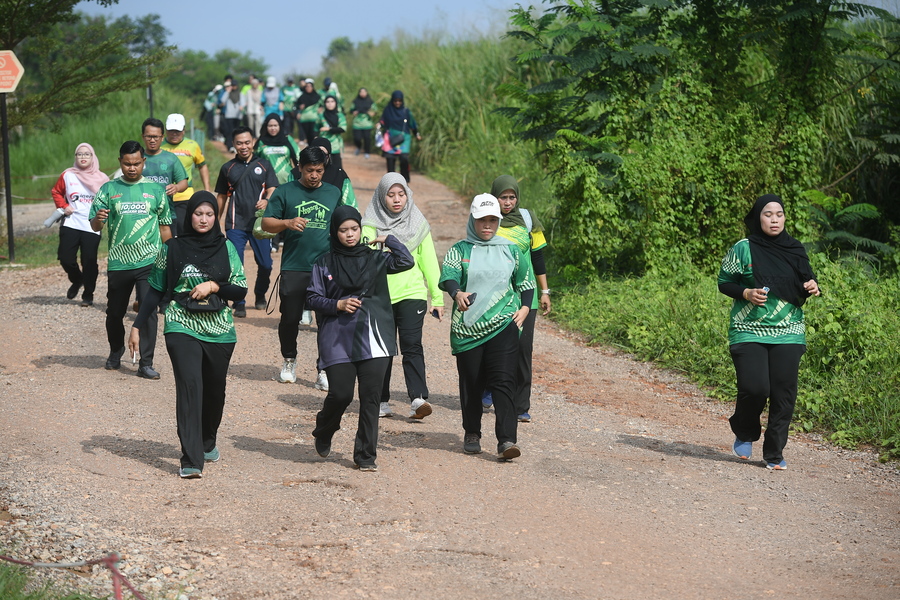
The programme, held as the closing event of Bulan Sinergi Putra 2026, brought together approximately 1,000 participants for a range of activities, including a 10,000-step walk, plogging and health exhibitions. The initiative underscored UPM’s commitment to promoting human well-being alongside environmental sustainability, reflecting the principles of planetary health which recognise the close relationship between individual, community and ecosystem health.
Deputy Director (Athlete and Staff Development), Muhamad Malik Ahmad Tobias, said the programme was introduced to encourage walking as an accessible form of physical activity for the university community, while promoting plogging as a shared effort to maintain a clean and sustainable campus.
“Through plogging, participants not only adopt an active lifestyle but also contribute to environmental conservation by collecting litter along the walking route. This approach reinforces the understanding that personal health and environmental sustainability should go hand in hand.
“UPM is also planning to develop a mobile application that will enable members of the university community to record and monitor their daily step counts, further encouraging the consistent adoption of an active lifestyle,” he said.
The programme also welcomed participation from members of the wider community, including Yap Ken Shern, a person with disabilities (PwD) living with Prader-Willi syndrome, who has made walking part of his daily routine to maintain his fitness and overall well-being.
“My disability does not stop me from taking part in programmes like this. I truly enjoy participating because it helps me stay active and healthy,” he said.
He added that although a leg injury has prevented him from taking part in certain sports, walking remains a suitable form of exercise, and he hopes more programmes of this nature will be organised in the future.
Meanwhile, UPM staff member Afiq Saparin said the programme not only encouraged the members of the university community to adopt a more active lifestyle but also served as a platform to strengthen camaraderie among staff from different responsibility centres (PTJs).
“The 10,000-step challenge motivated me to improve my fitness while providing an opportunity to interact with and build stronger relationships with colleagues from various PTJs,” he said.
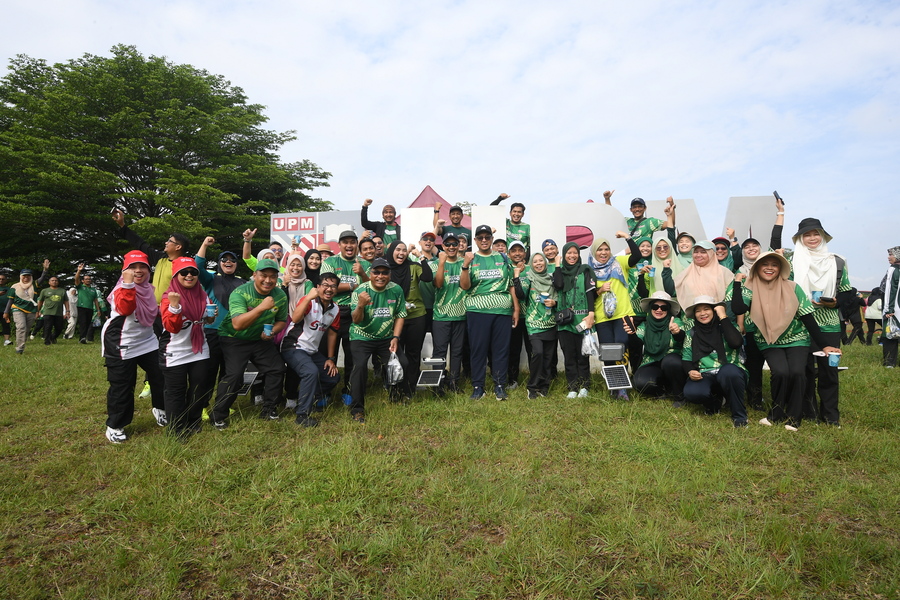
The PUTRASihat 10,000 Steps programme reflects UPM’s commitment to cultivating a culture of healthy and sustainable living in line with the aspirations of the UPM Planetary Health and Sustainability Blueprint, which emphasises human well-being, environmental conservation and active community participation as the foundation of a sustainable campus.

.jpg)


