By: Noor Eszereen Juferi
Photos by: Saleha Haron
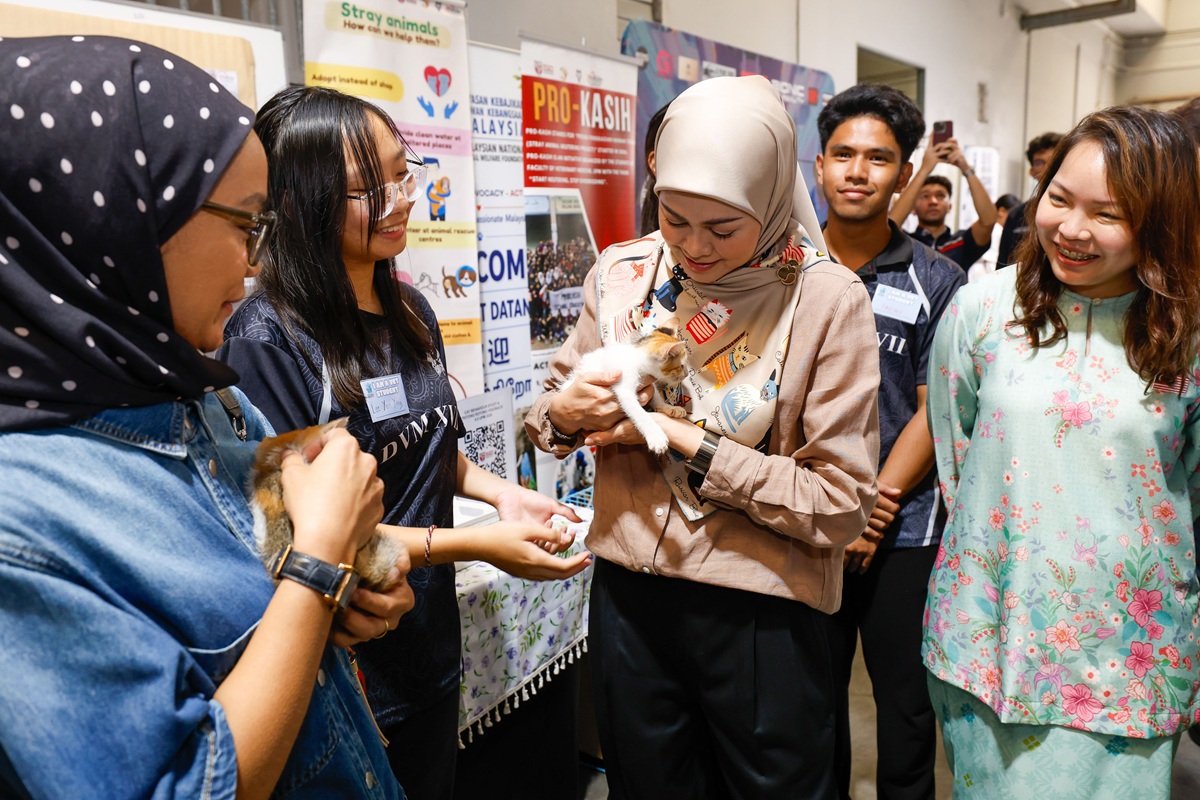
SERDANG, 22 August – Her Royal Highness Tengku Permaisuri Selangor, Tengku Permaisuri Hajah Norashikin, graced Potong-Royong 8.0, a cat sterilisation initiative highlighting the importance of animal welfare and responsible pet ownership, held at the Faculty of Veterinary Medicine (FVM), Universiti Putra Malaysia (UPM), today.
The presence of Her Royal Highness at the programme reflected her support for efforts to strengthen public awareness of responsible animal care, particularly in relation to sterilisation, vaccination and feline healthcare.
During the visit, Her Royal Highness toured the Potong-Royong 8.0 programme, which comprised five main stations covering registration, cat identification and intake, pre-surgical examination and veterinary preparation, anaesthesia and sterilisation procedures, recovery and post-operative care, as well as the booths operated by sponsors and strategic partners.

Her Royal Highness also interacted with veterinary doctors, FVM students and volunteers involved in the programme.
The programme not only focused on sterilisation procedures but also provided an educational platform for pet owners and the public to gain a better understanding of health examinations, cat care, the importance of vaccination and owners’ responsibilities in safeguarding animal welfare.
Dean of FVM, UPM, Prof Dr Goh Yong Meng, said the programme was more than a sterilisation initiative, serving instead as a platform to educate the public that animal welfare requires a comprehensive approach.
“Animal welfare is not simply about providing food. The public also needs to understand how to handle animals safely, manage interactions with animals and recognise potential health risks arising from bites, scratches and disease transmission,” he said.

He added that FVM’s involvement in the programme demonstrated the university’s role in connecting veterinary expertise with community needs, particularly in addressing issues involving stray animals.
“What we are doing here is bringing together veterinary expertise, facilities, student participation, industry support and strategic partners to deliver a clear message: managing stray animals is a shared responsibility that requires cooperation from all parties,” he said.
He said sterilisation should be viewed alongside disease prevention measures such as vaccination, as both contribute to animal population management and the protection of public health.
“Sterilised animals must also receive appropriate healthcare, including vaccination. These efforts not only help prevent diseases among animals but also have the potential to reduce the risk of diseases that can be transmitted to humans. We hope Potong-Royong 8.0 will catalyse a change in how the public views and manages stray animals,” he said.
Director of Potong-Royong 8.0, Dr Michelle Fong Wai Cheng, said the collaborative initiative began in 2021 following the floods in Hulu Langat, when the need to assist affected animals also came to the forefront.
“The collaboration began in 2021 during the floods in Hulu Langat. At the time, we saw the need to do something to help the affected animals. From that initial effort, the collaboration continued to grow and eventually evolved into an initiative that brings together veterinary expertise, volunteers, students and various strategic partners,” she said.
She said that, in the long term, she hoped the public would view sterilisation as an important component of animal welfare rather than merely a surgical procedure, as it not only helps control the reproduction of stray animals but also serves as a platform to promote greater understanding of responsible pet ownership.
“When more owners understand its benefits, we hope this awareness will continue to grow and contribute to a sustained reduction in the stray animal population,” she said.
The programme was organised by FVM, UPM, in collaboration with the Society for the Prevention of Cruelty to Animals (SPCA) Selangor and the Malaysian Veterinary Medical Association (MAVMA).
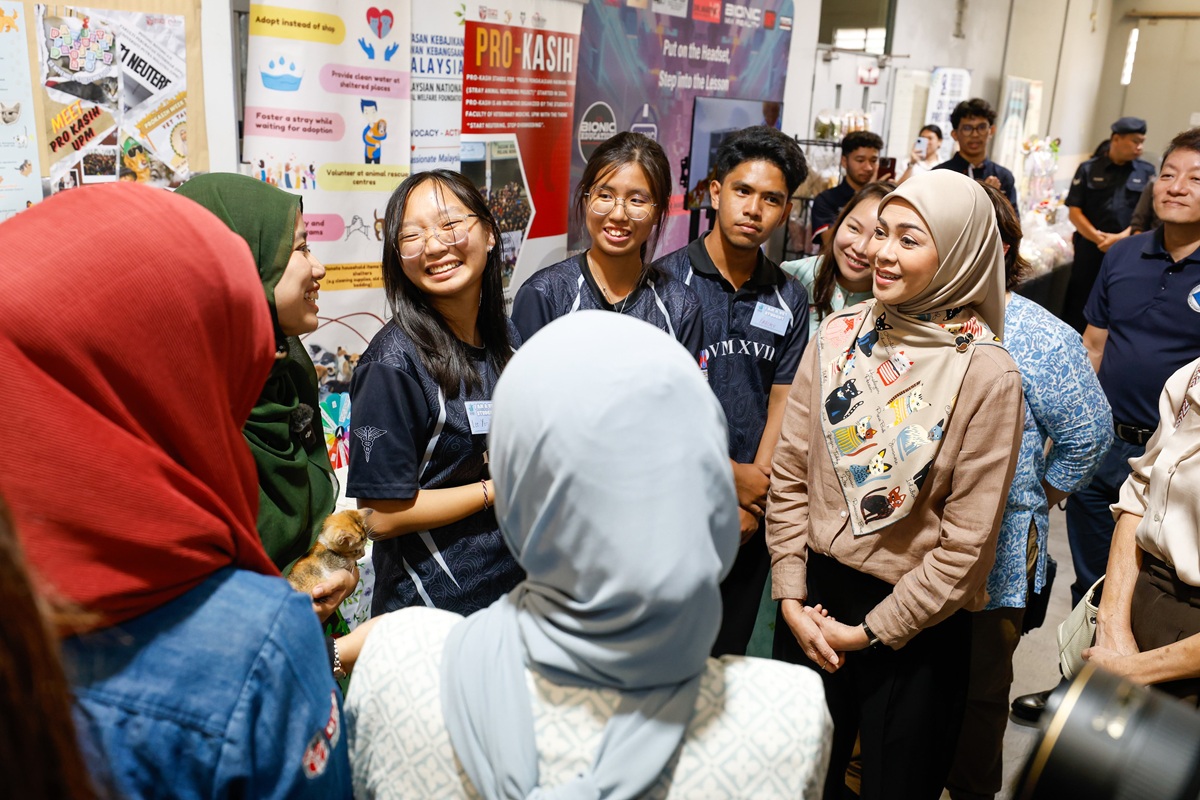
The programme also served as an experiential learning platform for UPM veterinary medicine students to apply their knowledge and clinical skills in real-world situations, while engaging directly with the community, veterinary practitioners and volunteers.
Fourth-year Doctor of Veterinary Medicine student at FVM, UPM, Nur Alya Najwa Mohamad Aidil, said her participation in the programme provided first-hand insight into the challenges of costs and animal welfare management, particularly those faced by shelters operating with limited resources.
“The programme allowed me to see the realities of animal welfare management, including the costs involved in sterilisation procedures and healthcare. This experience is highly valuable as preparation before we enter the veterinary profession,” she said.
For first-year UPM Doctor of Veterinary Medicine student, Shubbashini Sayaka, participation in the programme provided early exposure to animal management and sterilisation operations before students become more directly involved in clinical procedures in subsequent years of study.
“As first-year students, we are not yet directly involved in the surgical component, but we were able to observe the registration process, owner management and how public awareness is addressed. Being a veterinarian is not only about surgery, but also about pre-operative preparation, post-operative care and educating owners,” she said.

.jpg)


