Oleh: Zarith Sofea Ibrahim
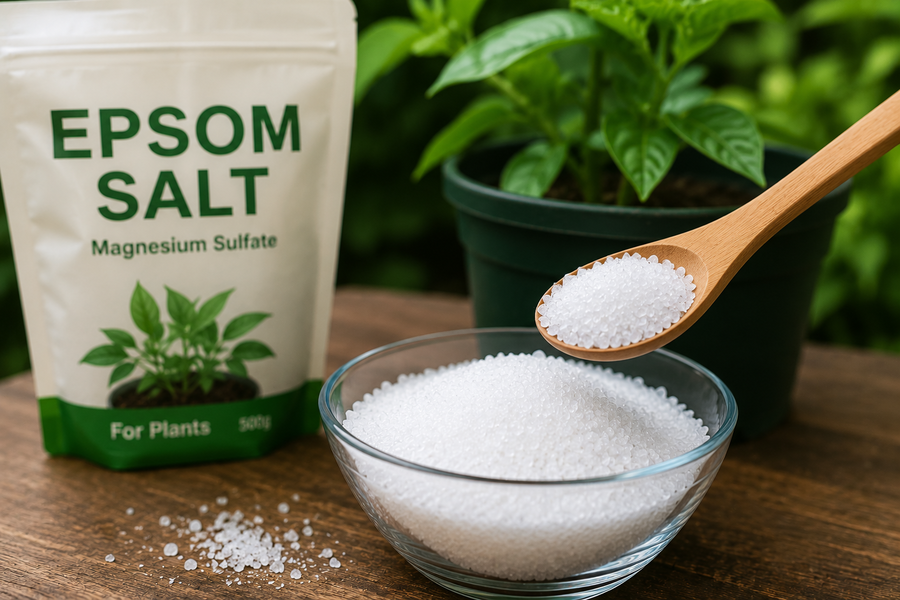
SERDANG, 30 Julai - Penggunaan Epsom salt dalam kalangan penggemar berkebun semakin popular kerana dipercayai mampu menyuburkan tanaman serta merangsang penghasilan bunga dan buah. Namun, penggunaannya perlu dibuat secara berhemah kerana ia bukan penyelesaian ajaib untuk semua jenis tanaman.
Pegawai Pertanian, Fakulti Pertanian, Universiti Putra Malaysia (UPM), En. Saiful Anuar A. Rahman berkata, epsom salt hanya memberi manfaat kepada tanaman yang mengalami kekurangan magnesium dan sulfur, bukannya digunakan secara rutin kepada semua pokok.
Menurut beliau, epsom salt bertindak sebagai suplemen tambahan yang membantu mengatasi kekurangan nutrien tertentu dan bukannya menggantikan baja asas yang diperlukan tanaman.
“Sekiranya tanah sudah mempunyai kandungan magnesium dan sulfur yang mencukupi, penggunaan epsom salt tidak akan memberi kesan yang ketara kepada pertumbuhan pokok.
“Sebaliknya, ia digunakan untuk membantu merawat simptom kekurangan nutrien seperti daun yang menguning akibat kekurangan magnesium,” katanya.
Beliau berkata, epsom salt mengandungi magnesium dan sulfur yang memainkan peranan penting dalam proses fotosintesis serta membantu tanaman menyerap nutrien lain dengan lebih berkesan.
“Berbeza dengan baja NPK yang membekalkan nutrien utama untuk pertumbuhan pokok, epsom salt lebih sesuai dianggap sebagai suplemen tambahan yang membantu meningkatkan prestasi tanaman apabila diperlukan,” katanya.
Mengulas dakwaan bahawa Epsom salt mampu menghasilkan pokok yang lebih subur, En. Saiful berkata, terdapat beberapa kajian saintifik yang menunjukkan magnesium membantu meningkatkan proses fotosintesis, sekali gus menjadikan pokok lebih sihat dan berupaya menghasilkan bunga serta buah dengan lebih baik.
Penggunaan epsom salt juga dapat membantu memaksimumkan potensi pertumbuhan tanaman terutama pada tanah yang telah lama tidak diusahakan atau mempunyai kandungan nutrien yang rendah.
“Namun, epsom salt bukan satu-satunya faktor yang menentukan kesuburan tanaman. Penjagaan seperti pembajaan mengikut jadual, penyiraman dan pengurusan tanaman yang betul tetap memainkan peranan penting,” katanya.
Selain itu, terdapat beberapa jenis tanaman yang mempunyai keperluan magnesium lebih tinggi berbanding tanaman lain.
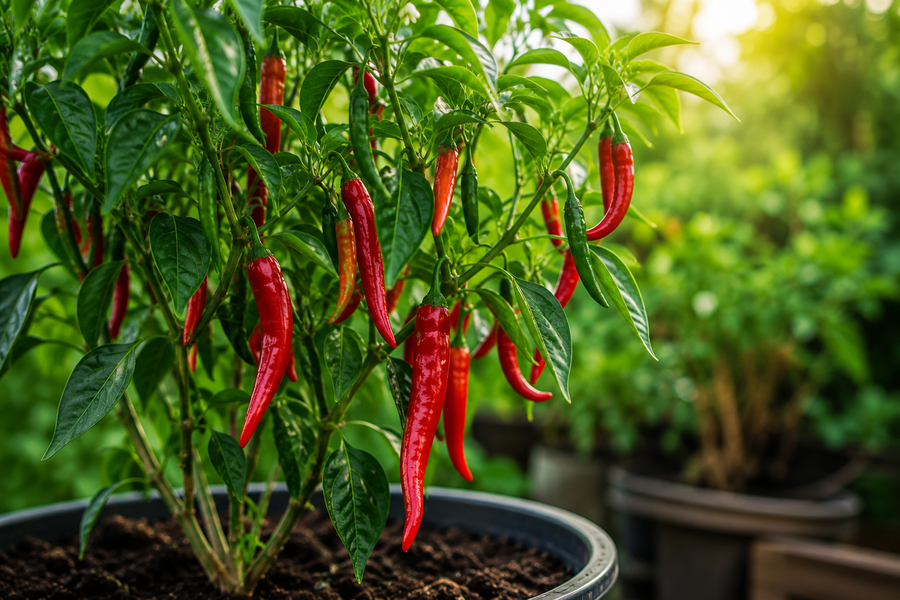
“Tanaman seperti cili, tomato, terung dan cili solok antara yang lebih responsif terhadap penambahan magnesium. Jika daun menunjukkan tanda kekuningan di antara urat daun, ia mungkin petanda tanaman mengalami kekurangan magnesium,” katanya.
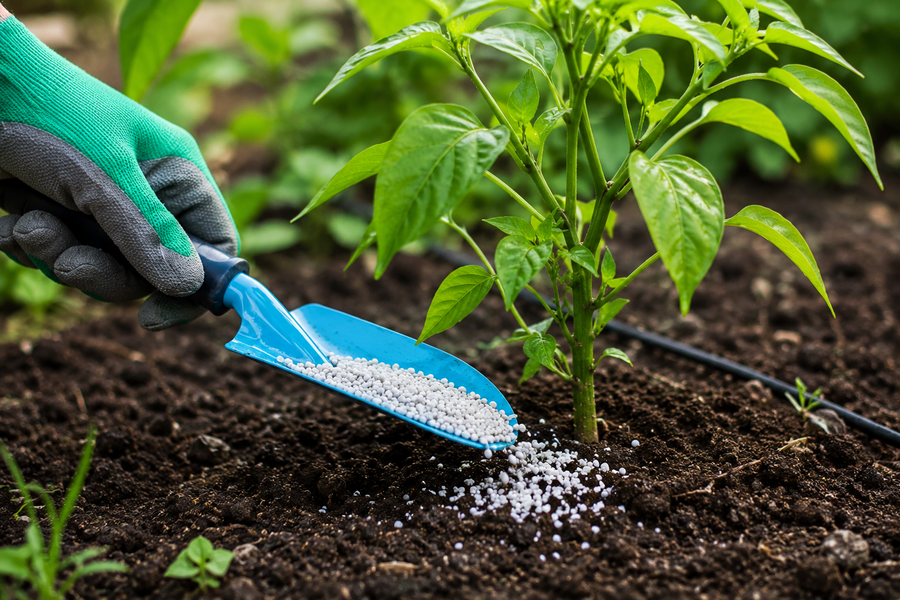
Dalam pada itu, En. Saiful mengingatkan orang ramai supaya tidak menggunakan epsom salt secara berlebihan kerana ia boleh menjejaskan penyerapan nutrien lain oleh akar tanaman.
“Kesilapan paling kerap dilakukan ialah menggunakan epsom salt secara berlebihan. Kandungan magnesium yang terlalu tinggi boleh menghalang akar daripada menyerap kalsium dan nutrien lain yang diperlukan pokok.
“Akibatnya, tanaman boleh mengalami masalah lain seperti reput hujung buah pada tomato atau blossom end rot,” katanya.
Tambah beliau, sebagai panduan umum, epsom salt memadai digunakan sebanyak satu hingga dua sudu besar yang dilarutkan dalam empat liter air dan digunakan setiap dua minggu sekali sama ada melalui semburan pada daun atau siraman ke tanah.
Sekiranya penggunaan berlebihan berlaku, tanah boleh dipulihkan dengan teknik leaching iaitu menyiram air dalam tempoh lebih lama bagi melarutkan lebihan garam sebelum menambah sumber kalsium seperti serbuk kulit telur atau kapur pertanian.
En. Saiful berkata, penggunaan epsom salt mengikut keperluan tanaman dapat membantu meningkatkan produktiviti pertanian secara mampan, sekali gus menyokong agenda keterjaminan makanan negara.
“Di Fakulti Pertanian UPM, kami bukan sahaja memberi tumpuan kepada penggunaan baja, malah turut menitikberatkan aspek keterjaminan makanan, kesihatan tanah dan kelestarian alam sekitar.
“Gunakan epsom salt mengikut keperluan dan dalam kadar yang disyorkan supaya tanaman, tanah dan hasil yang dinikmati kekal sihat serta selamat,” katanya.